
Discover the Rich History of Tennessee Whiskey

What Makes Tennessee Whiskey Unique?

Tennessee Whiskey is more than just a drink; it’s a symbol of craftsmanship and tradition deeply rooted in American culture. While often compared to bourbon, Tennessee Whiskey stands apart due to its distinct production methods and historical significance. The Lincoln County Process, a key differentiator, requires the whiskey to be filtered through sugar maple charcoal before aging. This process creates a smoother flavor profile that has become synonymous with Tennessee’s iconic whiskey brands.

Read Also: From Top-Secret Town to Atomic Legacy: Unveiling the Story of Oak Ridge, Tennessee

The regulations governing Tennessee Whiskey ensure its authenticity. To earn the name, it must meet strict criteria, including being made in Tennessee, using at least 51% corn in the mash bill, and aging in charred new oak barrels. These standards protect its legacy and distinguish it from other American whiskeys.

How Did Tennessee Whiskey Become an American Icon?

The history of Tennessee Whiskey is a tale of innovation, resilience, and cultural influence. It traces back to the 18th century when settlers brought distilling techniques from Europe. Over time, Tennessee’s limestone-rich water and locally sourced grains created the perfect environment for producing high-quality whiskey.

The story of Jack Daniel’s, one of the world’s most famous Tennessee Whiskey brands, exemplifies this legacy. Founded in 1866, it became the first registered distillery in the United States. Its distinctive black-label bottle is recognized globally, representing Tennessee’s pride and heritage. Similarly, George Dickel, established in 1870, has maintained its reputation for producing smooth, handcrafted whiskey, solidifying Tennessee’s place in the spirits industry.

Prohibition posed significant challenges, forcing many distilleries to close. However, Tennessee Whiskey’s cultural significance helped it endure, and the industry experienced a resurgence in the mid-20th century. Today, the state’s distilleries not only preserve traditional methods but also embrace innovation, offering a diverse range of flavor profiles and expressions.

What Defines the Flavor Profile of Tennessee Whiskey?

The flavor of Tennessee Whiskey is a harmonious blend of its ingredients, production methods, and aging process. The Lincoln County Process imparts a distinctive smoothness, removing impurities and mellowing the whiskey’s bold notes. The use of corn as a primary ingredient gives it a sweet, rich base, while the charred oak barrels contribute hints of caramel, vanilla, and spice.

Each brand adds its own touch, resulting in unique variations. Jack Daniel’s is known for its robust flavor with notes of toasted oak and a hint of banana, while George Dickel offers a slightly lighter, fruit-forward profile with a velvety finish. Smaller distilleries across Tennessee continue to innovate, introducing limited-edition releases that explore new flavor combinations while honoring traditional techniques.

Pairing Tennessee Whiskey with food enhances its complexity. It complements smoky barbecue, rich desserts like pecan pie, or even sharp cheeses, making it a versatile addition to any table.

Why Does Tennessee Whiskey Continue to Captivate the World?

Tennessee Whiskey’s enduring appeal lies in its perfect blend of tradition and modernity. It honors the craftsmanship of early distillers while embracing contemporary trends and global demand. From the classic styles of Jack Daniel’s and George Dickel to the bold experiments of emerging distilleries, it offers something for every palate.

The cultural impact of Tennessee Whiskey extends beyond its flavor. It’s celebrated in music, literature, and film, embodying a spirit of resilience and creativity. Festivals and tours of Tennessee distilleries attract enthusiasts from around the world, offering an immersive experience into the heart of whiskey culture.

Read Also: Developing Leadership Qualities: Building Skills Necessary for Effective Leadership

This iconic American spirit remains a symbol of heritage, innovation, and quality. Whether you’re a seasoned whiskey enthusiast or a curious newcomer, Tennessee Whiskey invites you to explore its rich history, savor its distinct flavors, and appreciate the artistry that goes into every bottle.
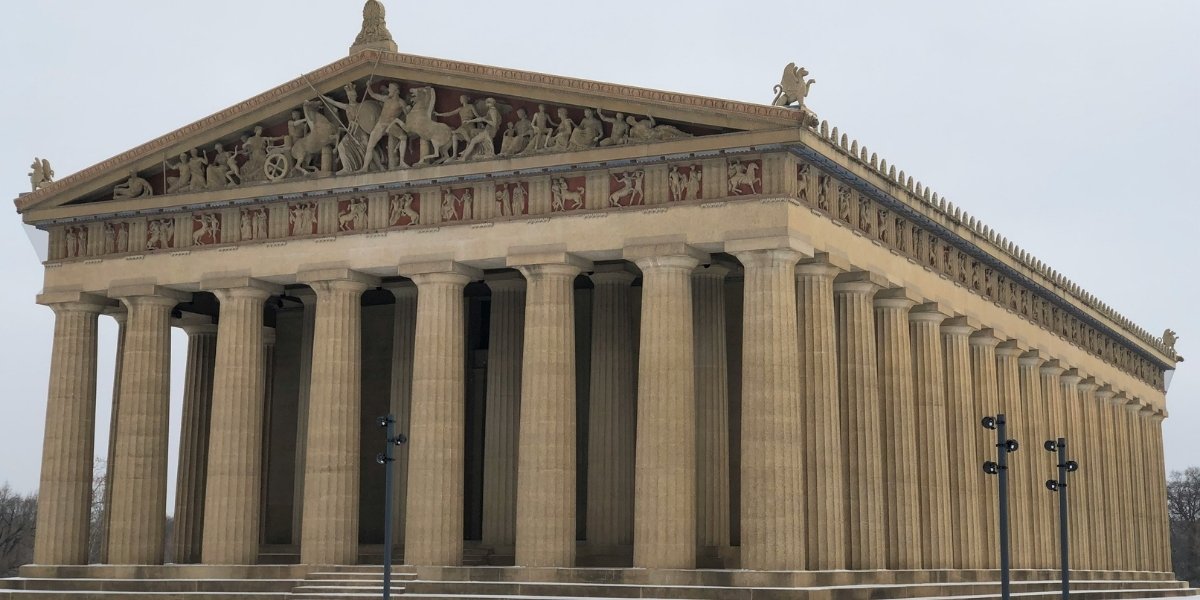

Exploring the Unique Architecture of Tennessee: From Historic Landmarks to Modern Marvels

The Unique Architecture of Tennessee: A Blend of History, Innovation, and Culture

Tennessee, often referred to as the Volunteer State, is rich in history, culture, and natural beauty. Its architecture reflects this diversity, blending traditional Southern charm with modern innovation. From historic antebellum mansions to cutting-edge contemporary designs, Tennessee’s built environment showcases the state’s evolution and cultural melting pot. Whether you’re exploring the vibrant cityscapes of Nashville, the serene landscapes of Knoxville, or the charming towns nestled along the Tennessee River, the state’s architecture tells a compelling story of its past and present.

Read Also: Beyond the Mainstream: Musical Roots of Tennessee

The Evolution of Tennessee’s Architecture

Tennessee’s architecture is a product of its diverse history, including Indigenous influences, European settlement, and modern-day innovations. The state’s development can be seen in the changing architectural styles, from colonial structures to grand Southern estates, to the soaring skyscrapers of today.

1. Early Colonial Influences

When European settlers first arrived in Tennessee in the late 17th and early 18th centuries, they brought with them European architectural styles, particularly those from the English and French traditions. These early buildings were typically simple log cabins and stone houses, adapted to the area’s natural environment and climate. These structures were functional, often built with local materials, and designed for survival rather than aesthetic appeal.

2. Antebellum Southern Architecture

By the mid-1800s, Tennessee was part of the American South, and the state’s architecture began to take on more grandeur with the rise of the antebellum style. Wealthy landowners built large plantation homes and estates in the Greek Revival and Federal styles, characterized by columns, symmetrical facades, and expansive verandas. These houses were designed to reflect the prosperity of their owners and often served as social centers for the local elite.

In Nashville, the Belle Meade Plantation and The Hermitage (home of President Andrew Jackson) are notable examples of antebellum architecture, showcasing the classical influence with grand columns and lush gardens.

3. Victorian and Queen Anne Influences

As Tennessee grew during the late 19th century, so too did its cities. In Nashville and Memphis, Victorian and Queen Anne-style houses began to dominate the urban landscape. These homes featured ornate details, asymmetrical shapes, large porches, and decorative trim, contributing to the eclectic charm of Tennessee’s residential neighborhoods.

The Old Hickory Village near Nashville is an example of a neighborhood where these architectural styles flourished, and several homes still maintain the distinct qualities of the era. The Germantown Historic District in Memphis is another neighborhood with beautiful examples of Victorian architecture.

Iconic Structures in Tennessee

Tennessee is home to a number of iconic buildings that reflect the state’s rich architectural diversity. From towering skyscrapers to historical landmarks, these structures are integral to understanding the architectural identity of the state.

1. The Parthenon (Nashville)

One of the most unique architectural landmarks in Tennessee is the Parthenon, located in Centennial Park in Nashville. This full-scale replica of the ancient Greek Parthenon in Athens was built in 1897 as part of the Tennessee Centennial Exposition. It is a testament to the city’s historical connection to the classical world and serves as a symbol of Nashville’s identity as the “Athens of the South.”

The Parthenon houses an impressive art collection and features a statue of Athena, creating a blend of classical architecture and modern cultural significance.

2. The Tennessee State Capitol (Nashville)

The Tennessee State Capitol in Nashville is an iconic example of Greek Revival architecture. Completed in 1859, the building features a striking columned exterior and a distinctive circular dome. It was designed by architect William Strickland, who was influenced by classical design principles. The Capitol’s design reflects Tennessee’s role as a growing and influential state during the antebellum period.

Visitors can take a guided tour of the Capitol, where they will not only appreciate its architectural beauty but also learn about the state’s history and legislative processes.

3. The Sun Studio (Memphis)

Known as the birthplace of rock ‘n’ roll, Sun Studio in Memphis is both a historical site and a music landmark. Opened in 1950, the small studio became famous for launching the careers of Elvis Presley, Johnny Cash, Jerry Lee Lewis, and other iconic musicians. The building’s modest exterior contrasts with the history inside, where a mix of mid-century modern and art deco influences can be seen in the design.

Today, Sun Studio is open for tours and is a must-see for both music and architecture enthusiasts, blending history with the evolution of sound.

4. The Cotton Exchange Building (Memphis)

The Cotton Exchange Building in Memphis is an excellent example of Beaux-Arts architecture. Built in the early 20th century, the structure is characterized by its ornate details, including a grand entrance with impressive columns and intricate relief sculptures. The building once served as a hub for cotton trading, reflecting Memphis’ significance in the cotton industry during that era.

While the building’s original purpose has shifted, it still stands as an architectural icon in the city’s historic district.

Modern and Innovative Architecture in Tennessee

While Tennessee is known for its historical structures, the state also embraces modern and innovative designs that reflect the state’s forward-thinking attitude and embrace of technological advances. Some of the most notable examples of contemporary architecture can be found in Nashville, the state’s cultural and economic hub.

1. The AT&T Building (Nashville)

The AT&T Building, also known as the Batman Building, is a prime example of modern architecture in Tennessee. With its distinctive twin spires that resemble a bat’s wings, this skyscraper is an iconic feature of Nashville’s skyline. Standing at 617 feet tall, it is the tallest building in Tennessee and showcases the state’s growing urban landscape.

2. The Tennessee Performing Arts Center (Nashville)

The Tennessee Performing Arts Center (TPAC) is a striking example of modern design, blending mid-century modern elements with innovative functionality. The building houses multiple theaters and is a key cultural hub in Nashville, hosting everything from Broadway shows to ballet performances. The exterior features large, angular glass panels, and the interior is designed to enhance acoustics and audience experience.

3. The Ryman Auditorium (Nashville)

Originally built in 1892 as the Union Gospel Tabernacle, the Ryman Auditorium is another key architectural landmark in Nashville. While it has undergone several renovations, the Ryman maintains its classic Victorian Gothic style with intricate woodwork, stained glass windows, and a grand stage. It remains a vital part of Nashville’s music scene, hosting performances by iconic artists and musicians.

Read Also: How Music Enhances Contemporary Visual Installations

The Evolving Architecture of Tennessee

Tennessee’s architectural landscape is a vibrant and dynamic reflection of the state’s rich history and progressive future. From the early colonial settlements to the grand antebellum estates and innovative contemporary designs, Tennessee has successfully blended tradition with modernity. The state’s architecture continues to evolve, mirroring its growing urban centers, cultural significance, and diverse population.

As Tennessee moves forward, its architecture will continue to celebrate both its historical roots and its future as a thriving hub of innovation, culture, and creativity. Whether you are strolling through Nashville’s downtown district, visiting a historic site in Memphis, or marveling at the state’s natural beauty, Tennessee’s architecture is a testament to its legacy and aspirations.

DLCC Raises Over $21 Million for 2024 Races

DLCC’s Strategic Move to Target Democratic Pickup Opportunities

The Democratic Legislative Campaign Committee (DLCC) has secured over one-third of its $60 million goal for the 2024 election cycle. The committee plans to utilize these funds and other resources to strategically target Democratic pickup opportunities in special elections across various states. The DLCC’s comprehensive strategy, outlined in a memo shared with NBC News, underscores its commitment to influencing state legislative races crucial to the Democratic agenda.

DLCC’s 2024 Roadmap Revealed

In a memo released before its official publication, the DLCC announced its intention to focus on critical states with competitive legislative races. The initial emphasis was defending Democratic control of state House chambers in Michigan, Minnesota, and Pennsylvania while also aiming to flip chambers in Arizona and New Hampshire. However, the committee has expanded its targets to include January special elections in Florida and New Hampshire, with additional races planned for late winter and early spring.

Pennsylvania Special Election Holds the Key

One notable race in the DLCC’s crosshairs is the special election for a Pennsylvania state House seat on February 13. The election outcome, where Democrats currently hold a one-seat majority, will determine control of the chamber. The DLCC’s strategic moves highlight the significance of state-level races in shaping the political landscape and influencing policy decisions.

Contrarian Statement: Challenges and Funding Disparities

Despite the DLCC’s impressive fundraising efforts, challenges loom on the horizon. The committee, aiming for a $60 million budget, acknowledges the need for additional funding during the on-year. The disparity in investment between state legislative races and federal counterparts remains a concern as the DLCC seeks to bridge the gap and compete effectively in a landscape saturated with high-stakes campaigns.

DLCC’s Vision for 2024

Looking ahead, the DLCC’s priorities for 2024 include safeguarding Democratic majorities in the Michigan House, the Minnesota House, and the Pennsylvania House. The committee also aims to flip the Arizona House and Senate, the New Hampshire House and Senate, and the Pennsylvania Senate. In red states like Kansas, Wisconsin, and North Carolina, the DLCC’s investments aim to protect Democratic governors’ veto power, while efforts in Georgia focus on building Democratic legislative influence.

DLCC’s Unprecedented Growth and Focus on State-Level Impact

The DLCC’s announcement of raising over $21 million, a record-breaking amount, underscores its commitment to state legislative races in the “year of the states.” The strategic roadmap for 2024 reflects the committee’s ambition to build on past successes, address funding disparities, and navigate the challenges posed by a complex political environment. As the DLCC positions itself at the center of shaping state policies, the upcoming special elections and targeted campaigns will be pivotal in determining the committee’s influence in the forthcoming election cycle.