
Tuesday, July 28 Nashville, Tennessee
Loading weather…
Three stars, one state Vol. IX · No. 07

Local news, culture & dining

THE THREE STAR Monthly Edition

Breaking Barriers: The Journey Towards Gender Equality in Sports


In the dynamic world of sports, the quest for gender equality has been a long and challenging journey. While significant progress has been made in recent years, there are still many hurdles to overcome to achieve true equality between male and female athletes. In this article, we’ll delve into the progress and challenges of achieving gender equality in sports, focusing on key issues such as pay equity, media representation, and access to opportunities for female athletes.

Pay Equity: Leveling the Playing Field

One of the most pressing issues in the realm of gender equality in sports is pay equity. Historically, female athletes have faced significant disparities in pay compared to their male counterparts, despite achieving similar levels of success and performance. In many cases, female athletes are paid less for winning tournaments, endorsements, and sponsorship deals, leading to financial inequality and limited earning potential.

However, there have been notable strides towards pay equity in recent years, with organizations and governing bodies taking steps to address these disparities. For example, in professional tennis, tournaments such as Wimbledon and the US Open have implemented equal prize money for male and female players. Additionally, women’s sports leagues, such as the WNBA and NWSL, have negotiated improved pay and benefits for their athletes, signaling a shift towards greater parity in compensation.

Media Representation: Shaping the Narrative

Another critical aspect of gender equality in sports is media representation. Historically, female athletes have been underrepresented and marginalized in sports media coverage, receiving less airtime, attention, and sponsorship opportunities compared to male athletes. This lack of visibility not only perpetuates gender stereotypes but also hinders the growth and recognition of women’s sports.

However, there has been a growing movement to amplify the voices and achievements of female athletes in the media. Initiatives such as the “Women’s Sports Week” and the “Women’s Sports Foundation” have helped raise awareness of women’s sports and advocate for greater media coverage. Social media platforms have also provided female athletes with a platform to share their stories and connect with fans directly, bypassing traditional media gatekeepers.

Access to Opportunities: Breaking Down Barriers

Access to opportunities is another significant challenge facing female athletes in their pursuit of gender equality in sports. From grassroots programs to professional leagues, women’s sports have historically received less funding, resources, and support compared to men’s sports. This lack of investment has created barriers to participation and development for female athletes at all levels.

However, there has been a growing recognition of the importance of investing in women’s sports and creating opportunities for female athletes to succeed. Organizations and initiatives such as the “SheIS” movement and the “Women’s Sports Foundation” have been instrumental in advocating for gender equality in sports and providing support for female athletes. Additionally, increased corporate sponsorship and media partnerships have helped elevate the profile of women’s sports and expand opportunities for female athletes to compete and excel on the global stage.

Empowering the Next Generation

As we look towards the future, it’s essential to continue empowering the next generation of female athletes and breaking down barriers to gender equality in sports. By promoting inclusivity, diversity, and equal opportunities for all athletes, regardless of gender, we can create a more equitable and inclusive sports culture for future generations. Whether it’s through policy changes, grassroots initiatives, or individual advocacy efforts, we all have a role to play in advancing the cause of gender equality in sports.

In conclusion, while significant progress has been made in recent years, achieving gender equality in sports remains an ongoing challenge. From pay equity and media representation to access to opportunities, there are still many hurdles to overcome to level the playing field for female athletes. However, by raising awareness, advocating for change, and empowering the next generation of athletes, we can continue to make strides towards a more equitable and inclusive sports landscape for all.

Tennessee’s Local Food Revival

What Makes Tennessee’s Farmers Markets Special?

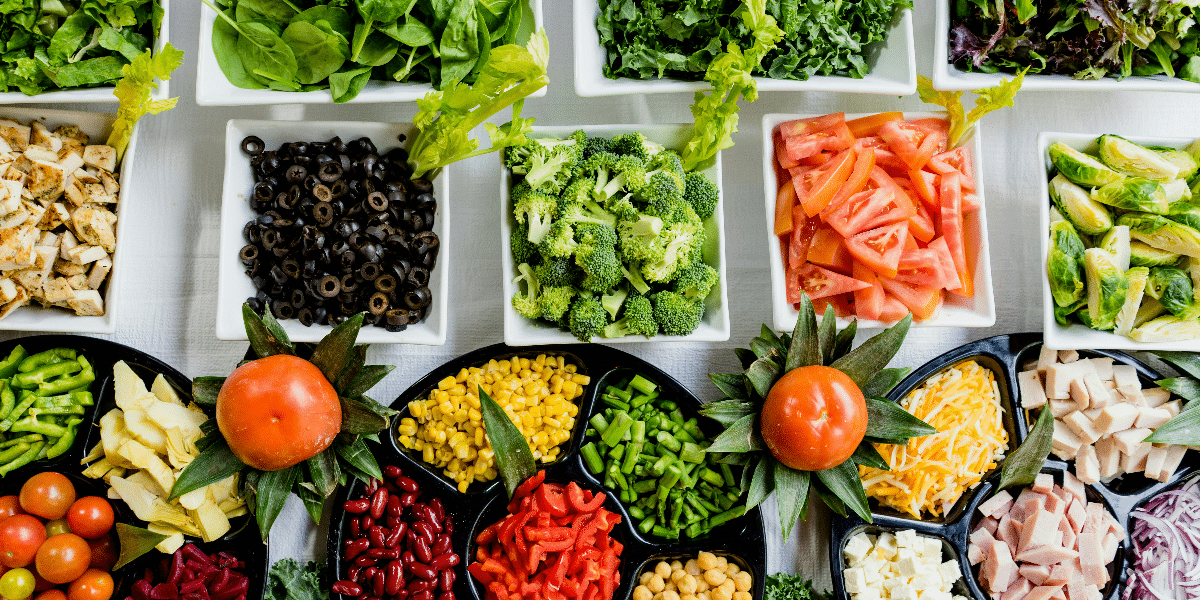
Tennessee’s farmers markets have become more than just places to buy fresh produce. They are vibrant spaces where the community comes together to celebrate the state’s agricultural roots. From small towns to urban centers, these markets offer an authentic connection between the land and the people.

Farmers rise early to display their seasonal harvest, ranging from sweet strawberries to homegrown tomatoes and crunchy cucumbers. The markets are not just about food, though. They also highlight homemade crafts, baked goods, and locally made products. Each stand tells a story—sometimes of a family farm passed through generations or a newcomer learning to till the rich Tennessee soil.

Take the Nashville Farmers’ Market, for example. It’s one of the oldest and largest in the state, showcasing fresh produce alongside food trucks and local artisans. Visitors can wander through rows of vibrant stalls, meet friendly vendors, and even enjoy live music. Similarly, smaller markets, like the one in Jonesborough, emphasize community spirit, bringing people together on warm Saturday mornings.

With the demand for sustainable and fresh options, farmers markets have become essential. They offer not just food but the joy of knowing where your meal begins—a powerful connection in today’s fast-paced world.

Why Is Farm-to-Table Dining Growing in Tennessee?

In Tennessee, farm-to-table dining has become a movement rather than just a trend. Chefs, inspired by the bounty of local ingredients, partner with farmers to create menus rooted in freshness and flavor. Restaurants no longer just buy bulk produce from wholesalers; they’re forming relationships with the growers themselves.

Take Blackberry Farm, an iconic destination nestled in the Smoky Mountains. Known for its culinary excellence, the chefs there rely on the surrounding fields and forests for ingredients. Whether it’s honey collected from local hives or herbs from their gardens, every bite reflects Tennessee’s fertile land.

This shift has also been embraced by urban eateries in Nashville and Memphis. Restaurants like Husk and The Farmer create dishes that reflect the seasons, showcasing everything from spring asparagus to fall pumpkins. The farm-to-table concept ensures that menus change frequently, offering a fresh experience with every visit.

Beyond the restaurants, even schools and hospitals are getting involved. They’re choosing locally sourced options, boosting Tennessee’s agriculture economy while promoting healthier eating habits. This shift not only keeps dollars within the state but also supports farmers and reduces the environmental impact of transporting food over long distances.

It’s not just about the food but the shared values. Supporting these dining establishments means supporting local farmers and the land they work tirelessly to nurture.

How Is Agritourism Shaping Tennessee’s Future?

Agritourism in Tennessee is more than an escape into the countryside. It’s an immersive experience that connects people with the heart of agriculture. From pumpkin patches to wineries, locals and tourists alike flock to farms for a firsthand look at the rural charm that defines the state.

The state’s rolling hills are dotted with family-run farms offering unique experiences. Visitors can pick apples straight from the trees in the fall or wander through sunflower fields during the summer. At Lucky Ladd Farms, one of the most popular spots, guests can pet farm animals, explore corn mazes, and sip fresh cider.

Wineries and distilleries have also tapped into this trend. East Tennessee vineyards, such as Cades Cove Cellars, pair their wines with scenic tours of their sprawling estates. Meanwhile, whiskey distilleries offer glimpses into the state’s rich history of spirits. These experiences let visitors taste the flavors of the land while learning the craft behind their favorite drinks.

Agritourism benefits farmers too. It provides an additional source of income, allowing them to share their passion for agriculture with a wider audience. For many, it’s a way to preserve farming traditions while adapting to modern demands.

The future of agritourism looks bright, as more families and visitors seek meaningful ways to engage with nature. Whether it’s staying overnight in a rustic barn or participating in hands-on farm workshops, Tennessee’s agriculture industry is proving its resilience through innovation and storytelling.

Country Music Hall of Fame: Dive into the Rich Heritage of Country Music

A Glimpse into Country Music History

Hey there, country music aficionados and history buffs! If you’re a fan of twangy tunes, heartfelt lyrics, and the unmistakable sound of a steel guitar, then you’re in for a treat at the Country Music Hall of Fame. Located in the heart of Nashville, Tennessee, the Country Music Hall of Fame is a treasure trove of artifacts, exhibits, and memorabilia that celebrate the vibrant history and rich heritage of country music. So grab your cowboy hat, polish your boots, and get ready to take a trip down memory lane at this iconic institution!

First things first—let’s talk about what makes the Country Music Hall of Fame so darn special. Since opening its doors in 1967, the Hall of Fame has been dedicated to preserving and honoring the legacy of country music and the artists who have made it great. From the pioneers of the genre to the chart-topping superstars of today, the Hall of Fame pays tribute to the diverse talents and timeless songs that have shaped the course of country music history.

Explore the Exhibits

Now, let’s dive into the heart of the action—the exhibits! The Country Music Hall of Fame is home to a vast collection of artifacts, memorabilia, and interactive displays that offer a fascinating glimpse into the world of country music. From stage costumes and instruments to song lyrics and photographs, each exhibit tells a unique story and sheds light on the people and events that have shaped the genre.

Step back in time and explore the roots of country music in the “Sing Me Back Home: A Journey Through Country Music” exhibit, which traces the evolution of the genre from its humble beginnings in the rural South to its status as a global phenomenon. Marvel at iconic artifacts like Hank Williams’ handwritten lyrics, Dolly Parton’s rhinestone-studded stage costumes, and Elvis Presley’s custom Cadillac limousine as you immerse yourself in the rich history of country music.

Interactive Experiences

But wait, there’s more! The Country Music Hall of Fame offers a variety of interactive experiences and immersive exhibits that are sure to delight visitors of all ages. Test your knowledge of country music trivia in the “Sing Me a Story” exhibit, where you can challenge your friends to a game of music-themed trivia or try your hand at playing a virtual guitar.

Step into the spotlight and record your own country music hit in the “Studio B” exhibit, where you can channel your inner Nashville star and lay down a track in the same recording studio used by legends like Elvis Presley and Chet Atkins. And don’t forget to check out the rotating exhibits and special events that are held throughout the year, featuring everything from live performances to artist interviews and panel discussions.

Preserving the Legacy of Country Music

At its core, the Country Music Hall of Fame is dedicated to preserving and celebrating the legacy of country music for future generations to enjoy. Through its exhibits, programs, and educational initiatives, the Hall of Fame works tirelessly to ensure that the rich heritage of country music is passed down to the next generation of artists and fans.

Whether you’re a die-hard country music fan or simply curious about the genre’s storied history, a visit to the Country Music Hall of Fame is a must-do experience for anyone visiting Nashville. So grab your tickets, bring your friends and family, and get ready to embark on a journey through the heart and soul of country music at this iconic institution. You won’t be disappointed!

How Tennessee Barbecue Sauce Became a State Icon

Unpacking the Tangy Legacy of Tennessee Barbecue Sauce

In Tennessee, barbecue is more than food. It’s an identity, a tradition, and a flavor-rich expression of Southern culture. Across the state, the word barbecue calls to mind not just smoked meats, but the signature sauce that defines the experience. Tangy, often sweet, and always bold, Tennessee barbecue sauce tells a story of history, region, and the simple genius of local ingredients.

Read Also: How Living in Tennessee Balances City Life and Nature

What Makes the Base of Tennessee Barbecue Sauce Unique?

Tennessee’s barbecue sauce is set apart by its vinegar and tomato base. This combination forms the heart of the flavor, bringing acidity and depth in equal measure. While other regions may go heavy on molasses or mustard, Tennessee’s sauce relies on the sharpness of cider vinegar paired with ketchup or crushed tomatoes to build its identity.

This vinegar-tomato duo strikes a delicate balance between tang and sweetness. It’s thinner than the sticky, molasses-heavy sauces found in other states, which allows it to soak into meat rather than coat it like syrup. That means the sauce doesn’t overpower—it complements. For many cooks across Tennessee, the goal is to enhance the smoke and spice, not hide it.

How Do Tennessee Regions Shape Their Barbecue Sauce?

The state’s geography divides its barbecue traditions into three distinct zones—each with its own take on the sauce.

In East Tennessee, vinegar takes center stage. The sauce here is thinner and sharper, often leaning more acidic than sweet. It’s typically served alongside pork, letting the meat’s natural flavor shine through with only a touch of extra seasoning.

Middle Tennessee starts to shift the balance. Here, the sauces thicken slightly and grow sweeter. Brown sugar and sometimes molasses appear in greater amounts, adding richness without masking the signature tang. While still rooted in vinegar and tomato, the sweetness brings a different dimension to pulled pork and chicken alike.

West Tennessee takes another approach altogether. Known for dry rubs and smoky slabs of pork shoulder, this region often serves sauce on the side. The sauces in this part of the state vary more widely, but many still reflect the region’s roots: bold, peppery, and layered with heat. The sauce isn’t the star—it’s the backup singer that makes the whole show feel complete.

What Flavors and Ingredients Define the Sauce?

Beyond vinegar and tomato, the supporting cast of ingredients gives Tennessee barbecue sauce its personality. Brown sugar often rounds out the sharp acidity, delivering a soft sweetness that lingers on the tongue. Worcestershire sauce deepens the umami, bringing a subtle complexity that enhances meat.

Many recipes include mustard, garlic powder, onion powder, and hot sauce, adding both spice and earthiness. Paprika shows up often, contributing warmth without overpowering heat. Each cook makes small adjustments, crafting their own interpretation based on family tradition or creative instinct.

These ingredients come together to create a sauce that isn’t flashy—it’s balanced. It walks the line between bold and smooth, spicy and sweet. That complexity is what makes Tennessee sauce a beloved staple across generations.

How Is Tennessee Barbecue Sauce Used Today?

Pork remains the heart of Tennessee barbecue, especially pulled pork. The sauce’s thin texture makes it perfect for soaking into shredded meat, enhancing it without turning it soggy. Ribs are also a natural pairing, whether basted during cooking or served with sauce on the side.

Chicken has become a modern favorite, especially when grilled and glazed. Some chefs use the sauce as a marinade, while others offer it as a dip. Either way, the flavor complements both light and dark meat beautifully.

Creative home cooks and restaurant chefs alike have expanded its use. It shows up on sandwiches, in baked beans, and even as a finishing drizzle for roasted vegetables. The sauce’s balanced profile makes it adaptable to a wide range of dishes, proving that tradition can still find new ground.

Where Did Tennessee Barbecue Sauce Come From?

Tennessee’s sauce wasn’t born in a test kitchen. It came from necessity and ingenuity. Early settlers used ingredients they had on hand—mainly vinegar and tomato—to create sauces that preserved and enhanced their meats. The availability of cider vinegar and local tomatoes helped shape the base flavor.

Over time, different immigrant communities influenced the recipe. German settlers brought mustard and spice traditions, while African American communities developed barbecue techniques that emphasized slow cooking and bold flavor. These cultural intersections helped evolve the sauce into what it is today.

The state’s agricultural background also played a role. Sugar from cane farms and spices imported through Southern trade routes became accessible, giving local cooks more tools to refine their recipes. These small tweaks over decades turned a simple sauce into a regional signature.

Can Tennessee Barbecue Sauce Be Made at Home?

Many Tennessee families guard their sauce recipes like heirlooms. But a simple version is easy to make with ingredients found in any kitchen. Start with vinegar and ketchup. Add brown sugar, a splash of Worcestershire sauce, and season with paprika, garlic, and onion powder. A few dashes of hot sauce can bring it to life.

Some people simmer the sauce for a few minutes to blend the flavors, while others prefer it raw for a brighter kick. The result is a versatile, deeply Southern condiment that reflects the spirit of Tennessee cooking—bold, practical, and rooted in community.

At the store, several commercial brands offer their take on Tennessee barbecue sauce. Each one leans into different aspects of the tradition—some sweeter, others spicier—but most remain true to the foundational flavor that locals have loved for generations.

Read Also: The Story of Tennessee: From Early Settlers to Modern Day

Why Does This Sauce Still Matter?

Tennessee barbecue sauce continues to thrive because it adapts. It respects its past while finding new paths forward. Whether served at a roadside shack or plated in a fine-dining restaurant, the sauce brings people together around a shared flavor memory.

It’s not just about taste. It’s about place. When you pour Tennessee sauce over smoked meat, you’re tasting history, community, and a state’s culinary pride—all in one bite.

The Bountiful Fields and Fertile Heritage of Tennessee Agriculture

Tennessee has long been recognized for its diverse and thriving agricultural industry. From the rolling hills to the fertile plains, Tennessee agriculture has not only shaped the state’s economy but also its cultural identity. Agriculture in Tennessee is a story of innovation, tradition, and adaptation, blending the past with the future as it continues to play a central role in sustaining both the state and the nation.

Read Also: How Tennessee Barbecue Sauce Became a State Icon

How Did Tennessee Agriculture Evolve?

The story of Tennessee agriculture is deeply intertwined with the history of the state itself. Early settlers in Tennessee relied on subsistence farming to survive, growing just enough to feed their families. As the state developed, so did the scope of its agricultural activities. Tobacco and cotton emerged as key crops, with large plantations driving the state’s economy during the 19th century.

Advancements in farming techniques and the introduction of new crops helped diversify the agriculture sector. By the early 20th century, Tennessee’s farmers were growing not just cotton, but also soybeans, corn, and a variety of fruits and vegetables. The state’s climate and fertile soil made it a prime location for agricultural innovation and expansion. Over time, Tennessee agriculture adapted to the changing demands of the market, focusing on a wide range of products to meet the needs of a growing population.

What Agricultural Products Are Grown in Tennessee?

Today, Tennessee agriculture is characterized by its diversity. The state produces a broad spectrum of agricultural products, from livestock to row crops and specialty items.

Livestock farming is a major part of the state’s agricultural economy. Tennessee ranks highly in beef cattle, poultry, and hog production. Additionally, the state is home to a robust dairy industry, providing milk and other dairy products to consumers both locally and nationally.

Row crops, including soybeans, corn, and cotton, are cultivated across the state, contributing significantly to both the local economy and the broader agricultural market. These crops, particularly soybeans and corn, are essential in the production of animal feed, biofuels, and food products, making them vital to Tennessee’s agricultural framework.

Tennessee also has a long tradition of growing specialty crops such as tobacco, fruits, and vegetables. The state’s rich soil supports the cultivation of apples, tomatoes, peppers, and strawberries, while its climate is perfect for the production of Tennessee’s famous watermelon. Additionally, nursery products and ornamental plants have become increasingly important, as local farmers take advantage of growing demand for landscaping plants.

The state’s forestry industry is another significant contributor to Tennessee agriculture, with its vast forests providing timber and wood products. As the demand for sustainable materials grows, Tennessee’s forests play an essential role in both the state and national economies.

What Is the Economic Impact of Agriculture in Tennessee?

Agriculture in Tennessee isn’t just about growing food—it’s a powerhouse of economic activity. The sector generates billions of dollars each year and supports thousands of jobs across the state. Tennessee agriculture employs tens of thousands of people in farming, processing, distribution, and related industries, contributing significantly to the state’s economic stability.

The state’s agricultural exports are a vital component of its economy. Tennessee exports large quantities of agricultural products, including beef, poultry, soybeans, and tobacco. These exports help support global markets while boosting the state’s revenue.

Moreover, agriculture supports a wide range of industries that are intertwined with its operations, such as food processing, equipment manufacturing, and transportation. The ripple effect of agriculture on the Tennessee economy reaches beyond the farm gate, affecting industries across the state.

How Is Tennessee Agriculture Innovating?

Modern Tennessee agriculture is embracing innovation and technology to enhance productivity and sustainability. Precision farming, which uses data and technology to optimize crop production, is becoming increasingly common in Tennessee’s agricultural practices. This technique helps farmers reduce waste, improve yields, and minimize environmental impact by targeting resources such as water and fertilizer more efficiently.

Sustainable farming practices are also gaining ground in Tennessee. Many farmers are shifting toward organic production, reducing their reliance on synthetic pesticides and fertilizers. This shift not only meets consumer demand for organic products but also helps preserve the state’s natural resources for future generations.

Farmers are also adopting new techniques in crop management, including soil health practices and the integration of cover crops. These innovations help reduce erosion, enhance soil fertility, and promote biodiversity, ensuring that Tennessee agriculture remains strong and sustainable for years to come.

What Challenges and Opportunities Exist in Tennessee Agriculture?

Like many agricultural regions, Tennessee faces several challenges. Market volatility, climate change, and labor shortages are constant concerns for the state’s farmers. Changing weather patterns, including more frequent droughts and floods, have put additional pressure on farmers to adapt quickly.

Yet, these challenges also present opportunities. Tennessee agriculture has the chance to grow through the expansion of agritourism, value-added processing, and local food markets. Agritourism, in particular, has gained popularity in recent years, allowing farmers to diversify their income by inviting visitors to experience farm life, pick their own produce, or purchase locally made products.

Value-added processing, where raw agricultural products are processed into more complex goods, also offers significant potential for growth. This can include everything from turning fruit into jams and jellies to making artisanal cheese. Local food markets, which highlight the products of Tennessee farmers, are growing as consumers seek out fresher, more sustainable options.

What Is the Human Element Behind Tennessee Agriculture?

The backbone of Tennessee agriculture is its people. Farmers across the state dedicate their lives to growing the food that feeds the population. From the hills of East Tennessee to the plains of the West, farmers are deeply connected to the land and committed to preserving the rural character of the state.

Read Also: Breaking Barriers: The Journey Towards Gender Equality in Sports

These individuals face numerous challenges but continue to demonstrate resilience. They work long hours, often under difficult conditions, to ensure that Tennessee’s agricultural industry thrives. They also play a vital role in maintaining the state’s rural way of life, which is an integral part of Tennessee’s cultural identity.

The future of Tennessee agriculture depends on the next generation of farmers and agricultural professionals. As the state continues to innovate and adapt to changing conditions, the dedication and hard work of Tennessee’s agricultural communities will ensure that the industry remains strong for years to come.

The Impact of New York Media on Politics

In the bustling metropolis of New York, media outlets wield significant influence over the political landscape, shaping public opinion, driving discourse, and impacting decision-making processes. From newspapers and television networks to online platforms and social media channels, the diverse array of media sources in the Big Apple play a pivotal role in shaping the political narrative at local, state, and national levels.

Understanding the Reach of New York Media

New York City, often referred to as the media capital of the world, is home to a multitude of influential media organizations that reach audiences far beyond the city limits. Major newspapers such as The New York Times, The Wall Street Journal, and the New York Post have established themselves as powerhouses in journalism, delivering news and analysis that reverberate across the globe. Similarly, television networks like CNN, MSNBC, and Fox News, which have headquarters or significant operations in New York City, command large viewerships and play a crucial role in shaping public perceptions of political events and issues.

The Role of New York Media in Political Coverage

New York media outlets are known for their extensive coverage of political affairs, providing in-depth analysis, investigative reporting, and commentary on a wide range of topics, from local elections to international diplomacy. With their proximity to the centers of power in Washington, D.C., and Albany, New York journalists have unparalleled access to policymakers, elected officials, and political insiders, enabling them to deliver insider perspectives and exclusive insights to their audiences.

Moreover, the diverse and cosmopolitan nature of New York City ensures that media coverage reflects a wide spectrum of viewpoints, ideologies, and interests. Whether it’s the liberal-leaning editorial stance of The New York Times or the conservative perspective espoused by outlets like the New York Post, the plurality of voices in the New York media landscape ensures that political discourse remains vibrant, dynamic, and inclusive.

The Influence of New York Media on Public Opinion

The extensive reach and credibility of New York media outlets endow them with the power to shape public opinion and influence political outcomes. Through investigative reporting, editorial endorsements, and opinion pieces, media organizations can sway public sentiment, mobilize grassroots movements, and hold elected officials accountable for their actions. In an era marked by heightened political polarization and information overload, the role of trusted media sources in providing reliable, fact-checked news and analysis cannot be overstated.

Contrarian Viewpoint: Media Bias and Partisan Polarization

Despite their reputation for journalistic integrity, New York media outlets are not immune to accusations of bias and partisanship. Critics argue that certain media organizations have agendas that favor specific political ideologies or interest groups, leading to the dissemination of partisan narratives and the amplification of echo chambers. In an age of social media echo chambers and algorithmic filtering, some contend that New York media outlets contribute to the fragmentation of public discourse and the exacerbation of political polarization.

Navigating the Complexities of New York Media

In navigating the complexities of New York media, it’s essential for consumers to exercise critical thinking, media literacy, and discernment. By consuming news from diverse sources, fact-checking information, and seeking out multiple perspectives, individuals can mitigate the influence of bias and misinformation in shaping their political beliefs and attitudes. Additionally, engaging in constructive dialogue, respectful debate, and civic participation can foster a more informed and inclusive political discourse that transcends partisan divides and fosters mutual understanding.

Embracing Media Diversity and Plurality

Amidst the challenges posed by media bias and polarization, the diversity and plurality of New York media present opportunities for citizens to engage with a wide range of perspectives and viewpoints. By actively seeking out alternative sources of information, exploring independent media outlets, and participating in community-driven journalism initiatives, individuals can broaden their understanding of political issues and contribute to a more robust and inclusive public discourse.

Furthermore, the advent of digital media platforms and social networking sites has democratized the production and dissemination of news, empowering citizens to become active participants in the media ecosystem. From citizen journalism and grassroots activism to online forums and social media movements, New Yorkers are leveraging digital technologies to amplify marginalized voices, challenge established narratives, and hold institutions accountable for their actions.

The Future of New York Media and Political Discourse

As New York media continue to evolve in response to technological advancements, changing consumer preferences, and shifting political dynamics, the future of political discourse in the Big Apple remains uncertain yet promising. With a renewed emphasis on transparency, accountability, and journalistic integrity, media organizations have the opportunity to reaffirm their commitment to serving the public interest and fostering a more informed and engaged citizenry.

In conclusion, the influence of New York media on politics is profound and far-reaching, shaping public perceptions, driving policy debates, and influencing electoral outcomes. With their extensive reach, credibility, and resources, New York media outlets have the power to inform, inspire, and mobilize citizens to participate in the democratic process. However, it’s essential to remain vigilant against media bias, misinformation, and partisan agendas, and to cultivate a media ecosystem that promotes transparency, accountability, and democratic values. As New York continues to be at the forefront of media innovation and political discourse, the role of media consumers in critically evaluating information and fostering civic engagement becomes increasingly paramount.

Unveiling the Best Nashville Culinary Treasures

Nashville, often celebrated as the home of country music, is earning equal acclaim for its dynamic culinary scene. From the fiery kick of Nashville hot chicken to the artistry of farm-to-table dining, the city has become a hub for food enthusiasts seeking authentic local flavors. These experiences are more than meals—they’re a reflection of the city’s rich culture, diverse history, and creative spirit.

What Makes Nashville Hot Chicken a Must-Try Dish?

No exploration of Nashville’s culinary landscape is complete without indulging in its most iconic dish: Nashville hot chicken. This fiery delicacy, with its crispy fried skin and cayenne-spiced kick, has a storied past rooted in family tradition. It originated in the 1930s with Prince’s Hot Chicken Shack, where a spicy twist on fried chicken became an unforgettable classic.

Today, hot chicken is more than a dish—it’s a cultural phenomenon. Restaurants like Hattie B’s have brought this local favorite to national attention, while smaller establishments continue to preserve its authentic roots. Visitors can customize their experience with heat levels ranging from mild to “shut the cluck up,” offering a challenge for even the bravest food lovers. The dish embodies Nashville’s bold and unapologetic personality, making it a must-try for anyone visiting the city.

How Has Nashville Embraced Farm-to-Table Dining?

Beyond its famed hot chicken, Nashville’s culinary experiences have expanded to include a vibrant farm-to-table movement. With Tennessee’s fertile lands providing an abundance of fresh produce, local chefs have embraced seasonal ingredients to create menus that are as sustainable as they are flavorful. This movement reflects the city’s growing commitment to supporting local farmers and reducing its environmental footprint.

Restaurants like The Catbird Seat and Lockeland Table showcase this dedication to freshness and creativity. At these establishments, diners can savor dishes that highlight the best of Tennessee’s agricultural bounty. Whether it’s heirloom tomatoes in the summer or root vegetables in the winter, each plate tells a story of the region’s natural gifts. This focus on farm-to-table dining not only elevates the food but also deepens the connection between diners and the land.

What Are the Hidden Gems of Nashville’s Food Scene?

While hot chicken and farm-to-table dining are staples, Nashville’s culinary scene is brimming with hidden gems that cater to diverse tastes. For those craving international flavors, the city offers everything from authentic Thai cuisine at Smiling Elephant to Mediterranean delights at Epice. These establishments showcase Nashville’s growing diversity and its ability to embrace global influences while staying true to its Southern roots.

For a sweet treat, no visit is complete without stopping by Five Daughters Bakery for their signature 100-layer doughnuts or indulging in the gooey butter bars at The Loveless Cafe. These local favorites offer a delicious way to experience the city’s sweeter side. Meanwhile, coffee enthusiasts can explore Barista Parlor, where expertly crafted brews highlight Nashville’s artisanal approach to coffee culture.

Why Is Nashville a Culinary Destination?

What sets Nashville apart as a food destination is its ability to blend tradition with innovation. The city’s chefs are unafraid to experiment, incorporating global influences while honoring the flavors of the South. This balance of authenticity and creativity has made Nashville a magnet for food lovers from all over the world.

Events like the Music City Food + Wine Festival celebrate this culinary diversity, bringing together renowned chefs, local artisans, and passionate foodies. These gatherings highlight the city’s collaborative spirit and its dedication to fostering a sense of community through food. From bustling food halls to quiet neighborhood eateries, every corner of Nashville offers an opportunity to discover something new and exciting.

In recent years, the city has also embraced culinary tourism, drawing visitors who are eager to explore its unique flavors. Food tours, cooking classes, and pop-up events have become popular ways for travelers to immerse themselves in Nashville’s food culture. Whether you’re savoring a hot chicken sandwich at a bustling diner or enjoying a chef-curated tasting menu at a fine dining restaurant, the experience is both memorable and deeply personal.

A City That Satisfies Every Palate

Nashville’s culinary scene is as dynamic and vibrant as the city itself. It’s a place where tradition meets innovation, where comfort food coexists with fine dining, and where every bite tells a story of Southern hospitality. For visitors, exploring the city’s food offerings is more than just a meal—it’s an opportunity to connect with the culture, history, and creativity that define Nashville.

From the iconic heat of Nashville hot chicken to the refined elegance of farm-to-table dishes, the city continues to captivate food lovers from near and far. As the culinary scene evolves, one thing remains constant: Nashville’s commitment to authenticity, flavor, and unforgettable experiences.

Why Local Food Hubs Are Key to Tackling Food Waste

Food waste is a pressing issue that impacts communities, economies, and the environment. In the United States, millions of tons of food are discarded annually, despite a significant portion being perfectly edible. Local food hubs have emerged as vital players in combating this challenge, especially in states like Tennessee, where agriculture thrives, and community-driven initiatives hold great importance. These hubs not only connect producers to consumers but also ensure surplus food is redirected, reducing waste and fostering sustainability.

What Are Local Food Hubs?

Local food hubs act as centralized networks that bring together farmers, distributors, and consumers. They provide a platform for small-scale producers to sell their goods efficiently while minimizing logistical barriers. Unlike traditional supply chains, food hubs prioritize community needs and environmental sustainability.

For farmers, this means less pressure to discard surplus crops. Food hubs purchase these products or help find alternative buyers, ensuring fresh produce doesn’t end up in landfills. For consumers, it provides access to locally grown, fresh food at reasonable prices. This dual focus supports local economies while addressing the larger problem of food waste.

In Tennessee, food hubs have gained momentum by working closely with local farmers, markets, and community organizations. Their efforts are particularly significant in rural areas, where access to fresh produce can be limited, and food waste from unsold harvests is a recurring issue.

How Do Food Hubs Help Reduce Food Waste?

One of the key functions of local food hubs is the redistribution of surplus food. Farmers often face unpredictable yields due to weather or market demand. Excess produce that doesn’t meet cosmetic standards or exceeds market needs is frequently discarded, even though it is perfectly edible. Food hubs bridge this gap by collecting, repackaging, and redistributing surplus food to schools, food banks, and other local outlets.

Food hubs collaborate with restaurants and grocers to optimize supply chains. They help businesses order the right quantities, reducing overstock and preventing spoilage. By maintaining close communication with all stakeholders, food hubs minimize inefficiencies that contribute to waste.

Some hubs also engage in value-added processing, turning surplus fruits and vegetables into jams, sauces, or frozen products. This extends the shelf life of produce and creates new revenue streams for farmers. In Tennessee, such practices have revitalized local agriculture by ensuring no crop goes to waste.

The Environmental Impact of Food Hubs

Reducing food waste isn’t just about feeding more people—it’s also about mitigating environmental harm. When food is wasted, the resources used to produce it, including water, energy, and labor, are wasted too. Furthermore, discarded food decomposes in landfills, releasing methane, a potent greenhouse gas that contributes to climate change.

By diverting food waste, local food hubs play a critical role in reducing these environmental impacts. They promote sustainable agricultural practices, encouraging farmers to grow diverse crops and adopt eco-friendly methods. Many hubs also prioritize short-distance transportation, which lowers carbon emissions compared to traditional supply chains.

For example, Tennessee-based food hubs like Grow Appalachia emphasize regenerative farming and low-impact distribution models. These initiatives not only reduce waste but also help restore the state’s ecosystems, proving that small-scale solutions can have a significant environmental impact.

Building Community Resilience Through Food Hubs

Beyond their environmental and logistical benefits, local food hubs strengthen communities by addressing food insecurity. Tennessee, like many other states, faces challenges with food access, particularly in rural and underserved areas. Food hubs help bridge this gap by ensuring that surplus produce reaches those in need, often through partnerships with food pantries and community centers.

Programs like farm-to-school initiatives, which connect local farmers to educational institutions, are a direct result of food hub efforts. These programs provide fresh, nutritious meals to students while supporting local agriculture. By reducing dependence on large, centralized food systems, communities become more resilient to supply chain disruptions.

The emphasis on local connections also fosters a sense of ownership and pride among residents. Supporting food hubs means supporting neighbors—whether it’s a small-scale farmer, a local grocer, or a community organizer. This collaborative approach has strengthened relationships across Tennessee, creating a more unified front against food waste.

The Challenges and Future of Food Hubs

Despite their benefits, local food hubs face challenges that can hinder their growth. Limited funding, logistical complexities, and fluctuating demand are common hurdles. However, with increased awareness and investment, these barriers can be overcome.

Policy support at the state and federal levels is crucial. Grants and subsidies for sustainable agriculture and food waste reduction can help hubs expand their reach. Public-private partnerships, where businesses collaborate with food hubs to create mutually beneficial solutions, are another promising avenue.

The future of food hubs in Tennessee and beyond looks bright. As more communities recognize the value of reducing food waste and supporting local economies, these hubs will continue to grow. By leveraging technology, such as online marketplaces and data analytics, food hubs can optimize their operations and make an even greater impact.

Why Local Food Hubs Matter

Local food hubs are more than just logistical centers—they are champions of sustainability, equity, and community resilience. By addressing the root causes of food waste, they ensure that no effort in farming goes unnoticed or unused. For states like Tennessee, where agriculture is both a livelihood and a cultural cornerstone, food hubs represent a step toward a more sustainable and connected future.

Supporting local food hubs isn’t just an investment in reducing waste—it’s a commitment to a healthier planet and stronger communities. As their impact continues to grow, food hubs will remain vital players in the fight against food waste, proving that small, local actions can drive global change.

Public Safety in Tennessee: Police Activities & Key Initiatives

What Are the Latest Public Safety Initiatives in Tennessee?

Public safety in Tennessee is a shared responsibility between law enforcement and the communities they serve. As concerns about crime and safety continue to evolve, Tennessee’s police departments have implemented a range of programs and strategies to keep residents safe. In addition to traditional law enforcement methods, the state is prioritizing crime prevention and community involvement.

One of the most impactful initiatives in Tennessee has been the expansion of community policing programs. Community policing fosters stronger relationships between officers and local residents, making it easier to address crime-related concerns before they escalate. Local law enforcement agencies are working to increase transparency and encourage open communication with the public. For example, many Tennessee police departments now hold regular town hall meetings where residents can directly interact with officers and discuss safety issues in their neighborhoods.

Additionally, Tennessee has seen a growing emphasis on youth engagement programs aimed at reducing crime before it starts. These programs often provide mentorship, job training, and recreational activities for young people, particularly those in at-risk communities. Experts agree that such early interventions are crucial in preventing future criminal behavior, and Tennessee’s success in this area is worth noting. Local police officers are actively involved in these programs, helping guide the next generation of Tennesseans toward positive paths.

Data-driven policing is another key initiative that helps Tennessee’s police forces tackle crime more efficiently. By using technology and analyzing crime trends, police can deploy officers where they are most needed, ensuring quicker responses and higher visibility in high-crime areas. Research indicates that this proactive approach to policing helps deter crime and improve safety across Tennessee’s cities and rural areas.

How Can Tennesseans Stay Informed About Police Activities?

Staying informed about public safety activities in Tennessee has never been easier. Thanks to advancements in technology and greater transparency from law enforcement, residents have access to real-time information about police activities, crime trends, and ongoing investigations.

Many Tennessee police departments have embraced social media as a powerful tool for communication. Through platforms like Facebook, Twitter, and Instagram, local law enforcement agencies are able to provide updates on incidents, share crime prevention tips, and inform the public about upcoming community events. Residents can follow these pages for direct access to police announcements, and many departments encourage feedback from the public through online comments and messages.

In addition to social media, official police websites have become an essential resource for Tennesseans. These sites often feature detailed information about crime reports, public safety initiatives, and contacts for local officers. Many police departments also provide crime mapping tools, which allow users to see where recent crimes have occurred in their area. This data-driven approach keeps citizens informed and helps them make safer decisions in their daily lives.

Tennessee residents can sign up for email alerts and notifications through local police department websites. These alerts might include updates on ongoing investigations, safety tips, or information about neighborhood watch programs. By staying connected to local law enforcement through these tools, residents can better protect themselves and their communities.

Community meetings are a critical way for Tennesseans to stay informed about public safety. Local police departments frequently host meetings to discuss crime trends, introduce new safety programs, and address any concerns residents may have. These gatherings provide a valuable opportunity for direct interaction between the public and law enforcement.

How Can Tennesseans Contact Their Local Police Departments?

In emergencies, it’s essential for Tennessee residents to know how to quickly reach the appropriate law enforcement authorities. Fortunately, each county and city in Tennessee has well-established systems for contacting police, ensuring a swift response when needed.

The most important phone number to remember is 911, which should be called in any emergency situation requiring police, fire, or medical assistance. However, in non-emergency situations, Tennesseans can contact their local police departments directly for a range of services, from reporting crimes to asking for safety advice.

Most Tennessee police departments have non-emergency numbers available on their official websites. These numbers allow residents to report incidents that do not require immediate attention, such as noise complaints, property crimes, or lost property. It’s crucial to have these numbers handy to ensure that emergencies are prioritized, and non-urgent matters can be addressed in a timely manner.

Many departments have online contact forms and email addresses for more routine inquiries. These forms allow citizens to communicate directly with officers or other staff members about ongoing cases, public safety concerns, or to schedule a meeting with a police officer. Some departments also offer chat features on their websites, providing an even faster way to get in touch.

In rural areas where the nearest police station may be some distance away, county sheriff offices often provide additional contact points for law enforcement support. Whether it’s a local sheriff’s office or a nearby police precinct, Tennessee’s law enforcement agencies are committed to ensuring that every resident can reach out for help when necessary.

Enhancing Public Safety in Tennessee Together

Public safety in Tennessee is a collaborative effort that requires the active involvement of both law enforcement and the communities they protect. Through initiatives like community policing, youth engagement, and data-driven strategies, the state is working to reduce crime and improve the overall quality of life for its residents. By staying informed about police activities, accessing resources, and maintaining open lines of communication with local authorities, Tennesseans can play an active role in keeping their neighborhoods safe.

For those looking to engage with law enforcement more directly, Tennessee offers numerous avenues for contact, ensuring that both urgent and non-urgent matters are handled efficiently. Whether through social media, community meetings, or direct phone calls, staying in touch with local police is essential for fostering trust and ensuring public safety.

As Tennessee continues to grow, it will be critical for the state’s police forces and citizens to maintain a strong partnership. Through ongoing collaboration, public safety in Tennessee can evolve to meet the needs of an ever-changing society.

Tennessee Malls: A Shopper’s Paradise Under One Roof

What Makes Tennessee Malls the Ultimate Shopping Destinations?

Shopping malls in Tennessee offer more than just a place to shop—they’re hubs of activity where retail meets recreation. With an array of retail stores, dining options, and family-friendly amenities, these malls cater to locals and visitors alike. But what sets Tennessee malls apart from others, and why are they a must-visit for anyone seeking a comprehensive shopping experience?

Each mall boasts its own unique character, reflecting the culture and style of the area. From high-end outlets to community-focused centers, Tennessee’s malls serve as gathering spots, providing everything from trendy fashion to essential services under one roof.

Why Are Tennessee Malls Perfect for Families?

When it comes to creating memorable family outings, Tennessee malls deliver in spades. Beyond the variety of retail stores, these malls offer attractions that keep everyone entertained. For families with young children, many locations include play areas, interactive exhibits, and seasonal events like photos with Santa or Easter egg hunts.

Dining is another highlight. Tennessee malls feature an impressive array of restaurants and food courts, ensuring even the pickiest eaters find something they love. From local BBQ to global cuisines, these dining options turn shopping trips into culinary adventures.

Parents will also appreciate the convenience of services like stroller rentals and nursing rooms, which make navigating the mall with little ones much easier. Combined with spacious layouts and well-marked directories, these features make Tennessee malls a stress-free destination for family fun.

How Do Tennessee Malls Cater to Shopping Enthusiasts?

For those who love shopping, Tennessee malls are nothing short of paradise. With options ranging from luxury boutiques to popular department stores, there’s something for every taste and budget. Malls like The Mall at Green Hills in Nashville are known for their upscale offerings, featuring brands like Louis Vuitton, Tiffany & Co., and Apple.

Outlet malls, such as Opry Mills, attract bargain hunters with discounted prices on designer goods. These locations combine great deals with the latest trends, making them a favorite among savvy shoppers. Specialty stores add to the appeal, offering unique items that can’t be found elsewhere.

Tennessee malls also focus on creating an immersive shopping experience. Many feature live music performances, art exhibits, or pop-up shops, ensuring there’s always something new to discover. Seasonal sales and promotional events keep shoppers coming back, making every visit exciting and rewarding.

What Amenities Elevate Tennessee Malls Beyond Shopping?

While shopping is the main attraction, Tennessee malls go above and beyond with their amenities. Cinemas, spas, and fitness centers are just a few examples of the additional offerings that make these malls destinations in their own right. Whether you’re catching the latest blockbuster at AMC Thoroughbred 20 or unwinding with a massage at a local spa, there’s no shortage of ways to relax.

For tech-savvy visitors, free Wi-Fi and charging stations ensure you stay connected while you shop. Malls like CoolSprings Galleria also provide concierge services, offering personalized assistance to enhance your visit.

Fitness classes and community events, such as yoga sessions or craft fairs, transform these malls into gathering places that extend beyond retail. By blending commerce with community, Tennessee malls create spaces where visitors feel welcome and engaged.

Why Should You Explore Tennessee Malls Today?

Whether you’re a local or just passing through, Tennessee malls offer an experience that goes beyond the ordinary. With their blend of shopping, dining, entertainment, and amenities, they provide something for everyone. From luxury enthusiasts to families on a day out, these malls are tailored to meet diverse needs and preferences.

Visiting a Tennessee mall isn’t just about buying things—it’s about creating memories. With their vibrant atmosphere and thoughtfully designed spaces, these malls make every trip special. So, whether you’re hunting for bargains, indulging in a gourmet meal, or simply enjoying a day out, Tennessee malls promise an unforgettable experience.